

5 stories behind the success of gaming in Sweden
1 in 4 people has played a Swedish-made game. Find out how Minecraft, Battlefield and Candy Crush all came about.
1. Minecraft – a global best-seller
It's impossible to talk about Sweden being a global leader in video game development without mentioning Minecraft. The game has sold more than 300 million copies, which makes it one of the best-selling video games ever. These days, it is owned by Microsoft, but the sandbox and survival game was created by a Swede.
Markus ‘Notch’ Persson began the game as a hobby project and released a first version of Minecraft – the ‘Java Version’ – in 2009. It became an immediate hit in the gaming community, and the rapid success led to the foundation of Mojang, today known as Mojang Studios.

Minecraft's success is fuelled by collaboration. It's an ever-evolving world, where a global community of players shape the game by building structures, designing landscapes, creating custom adventures, and sharing their ideas with others.
Minecraft has more than 60 million active players every month.
2. Battlefield – new levels of co-op gaming
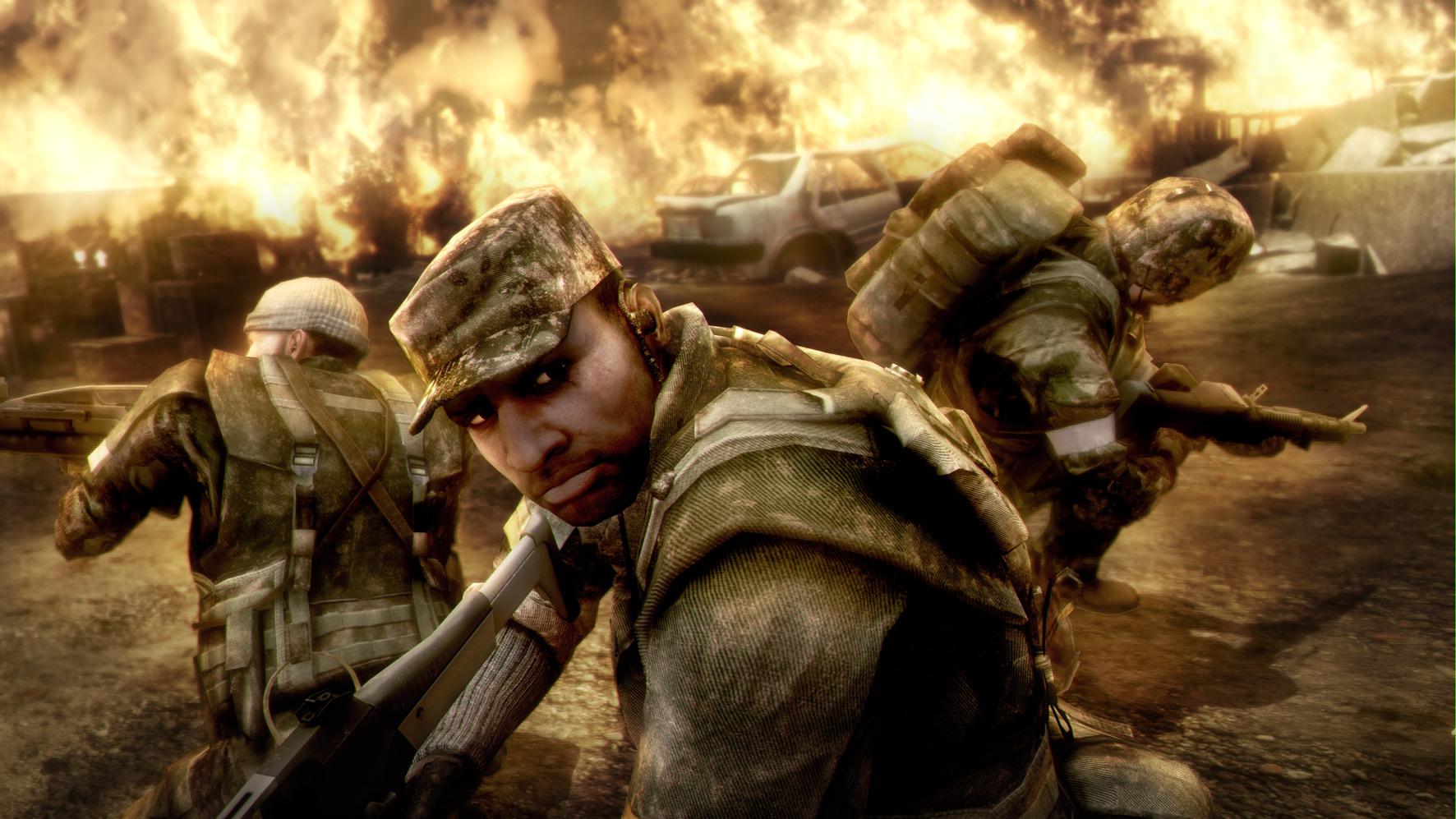
Since its arrival in 2002, the Battlefield franchise has consistently been taking the co-op gaming scene to new levels.
Combine large-scale maps with an arsenal of weapons and vehicles, then involve hundreds of players, and you’ve got yourself a Battlefield game. Today, the Battlefield franchise comprises 12 games set in past, present and future warfare scenarios.
The story goes back to 1999 in Stockholm, where a small game development team named Refraction Games set out make an all-out war game. Tired of the story-driven narratives that dominated the first-person shooter genre at the time, the developers aimed for way more action.
A year later, Refraction Games were acquired by the rising Swedish studio DICE, and the newly recruited developers were encouraged to continue developing the game of their dreams.
Lars Gustavsson, who served more than 20 years as creative director at DICE, has recalled inviting his brother’s basketball friends for pizza nights with hours and hours of game-testing in his small flat in Stockholm.
Two years later, Battlefield 1942 was released, and the rest is history. To this day, the franchise remains known for the teamwork experience that comes with a huge battlefield where everything can happen.
In 2006, DICE were acquired by American giant Electronic Arts (EA). While the heart of the franchise remains in Stockholm, DICE is now part of a global Battlefield Studios group. Today’s Battlefield games are team efforts made with partners Criterion (UK), Motive Studio (CA) and Ripple Effect (US).

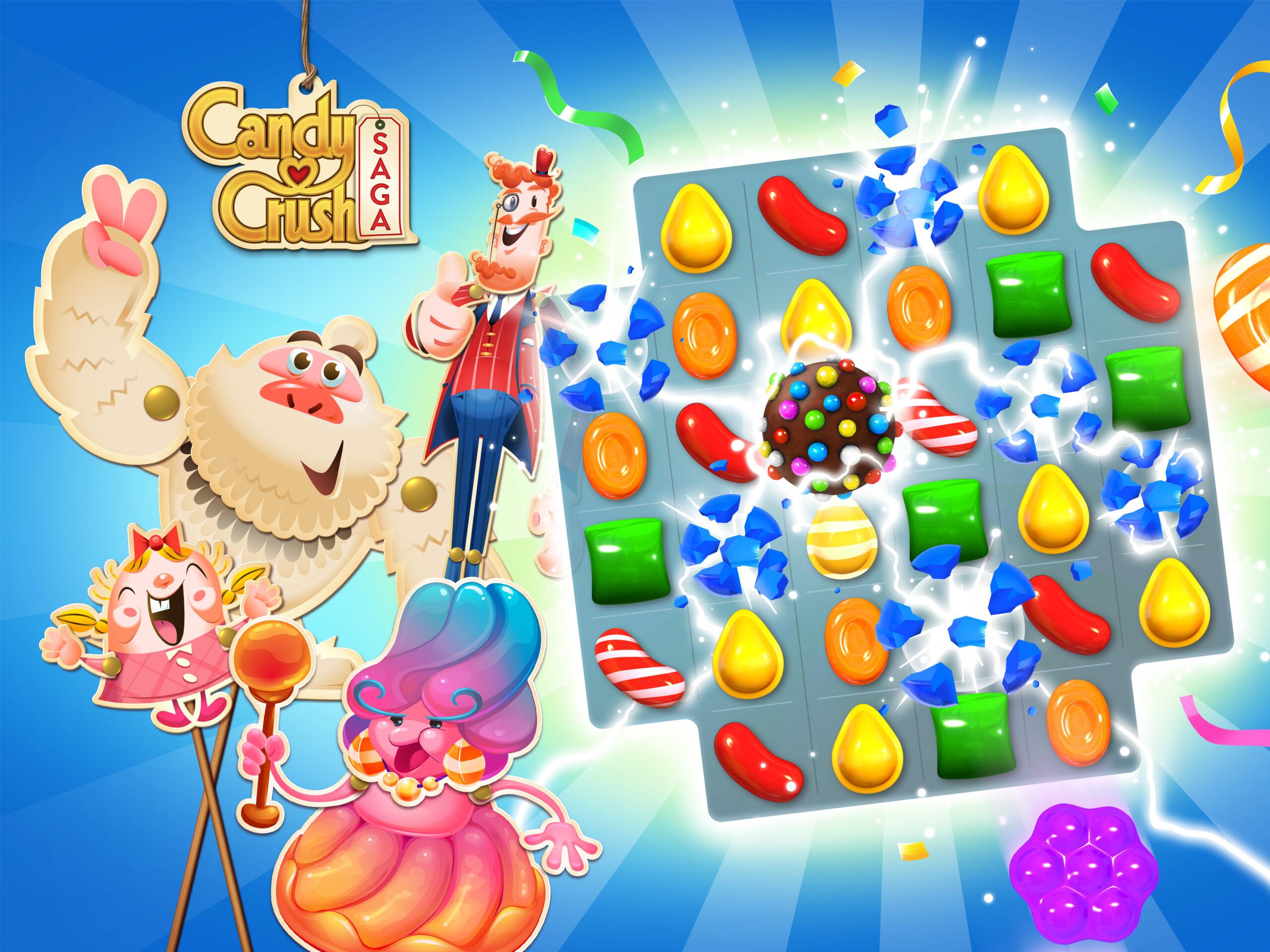
Candy Crush Saga was developed by Swedish company King, who launched it as an app back in 2012. Photo: King

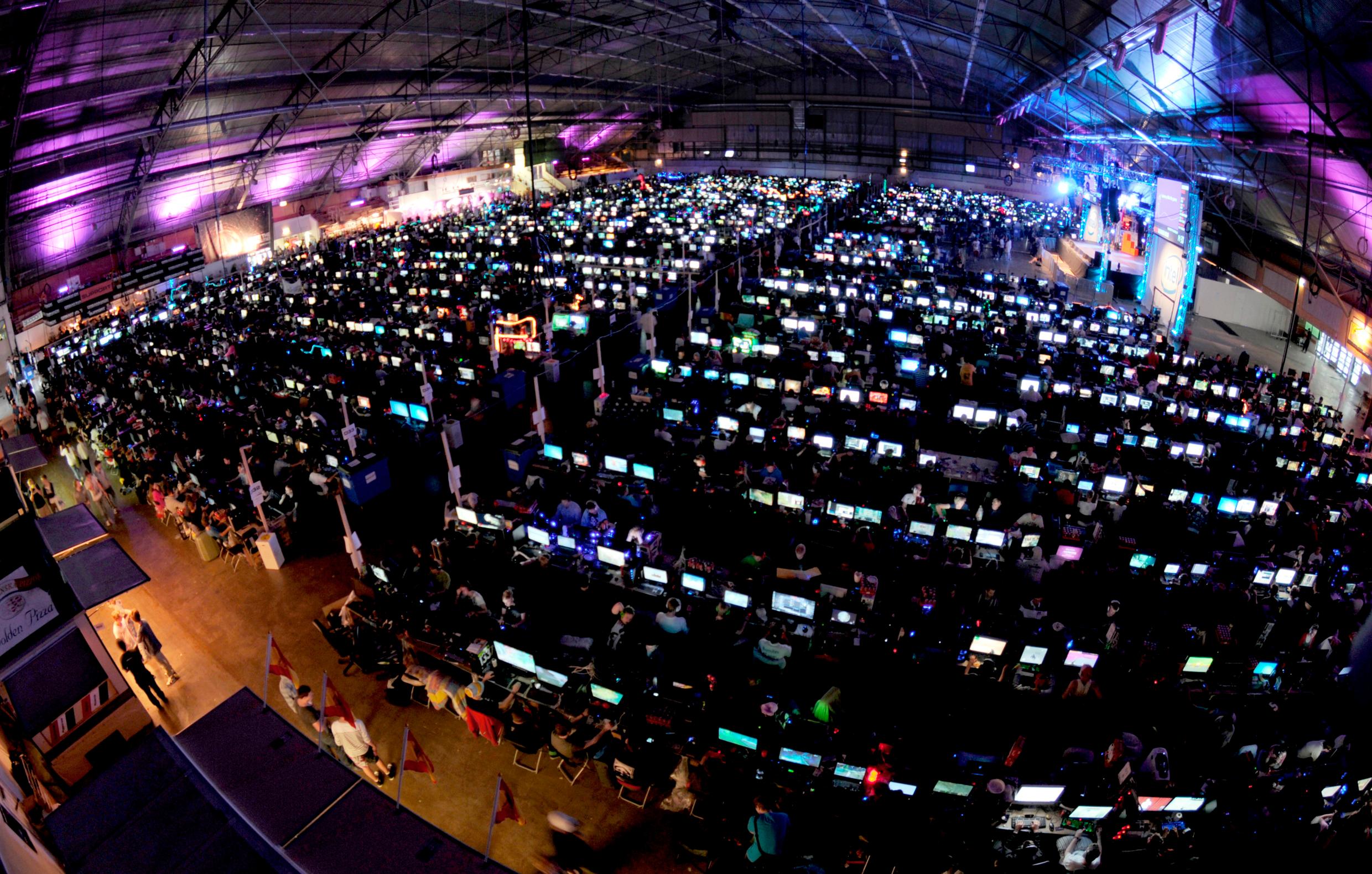
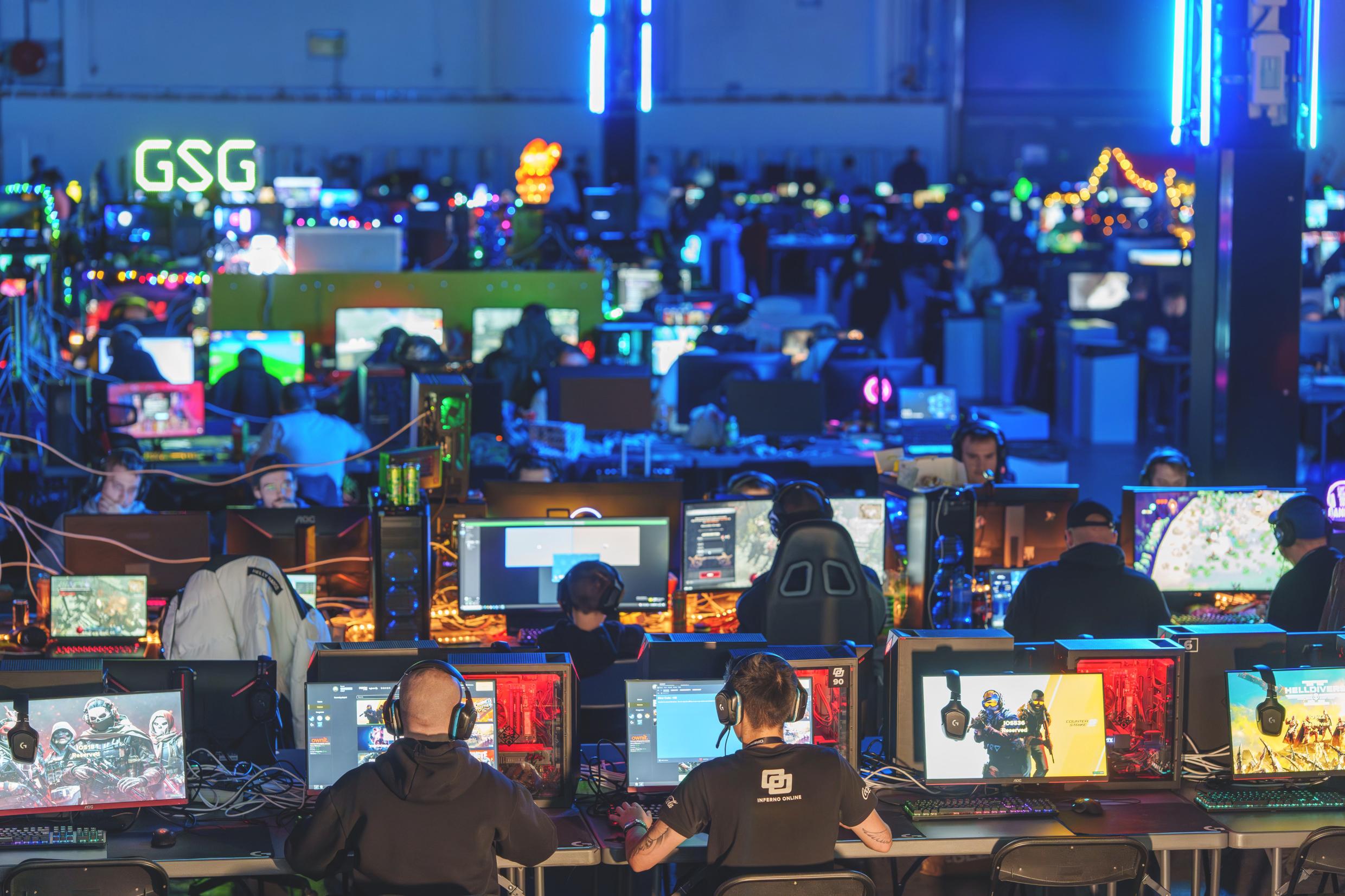
The DreamHack festival has gathered record crowds over the years. Since 2020 the organisation has been merged with ESL, the world’s largest esports company. Photo: Rodrigo Rivas Ruiz/imagebank.sweden.se

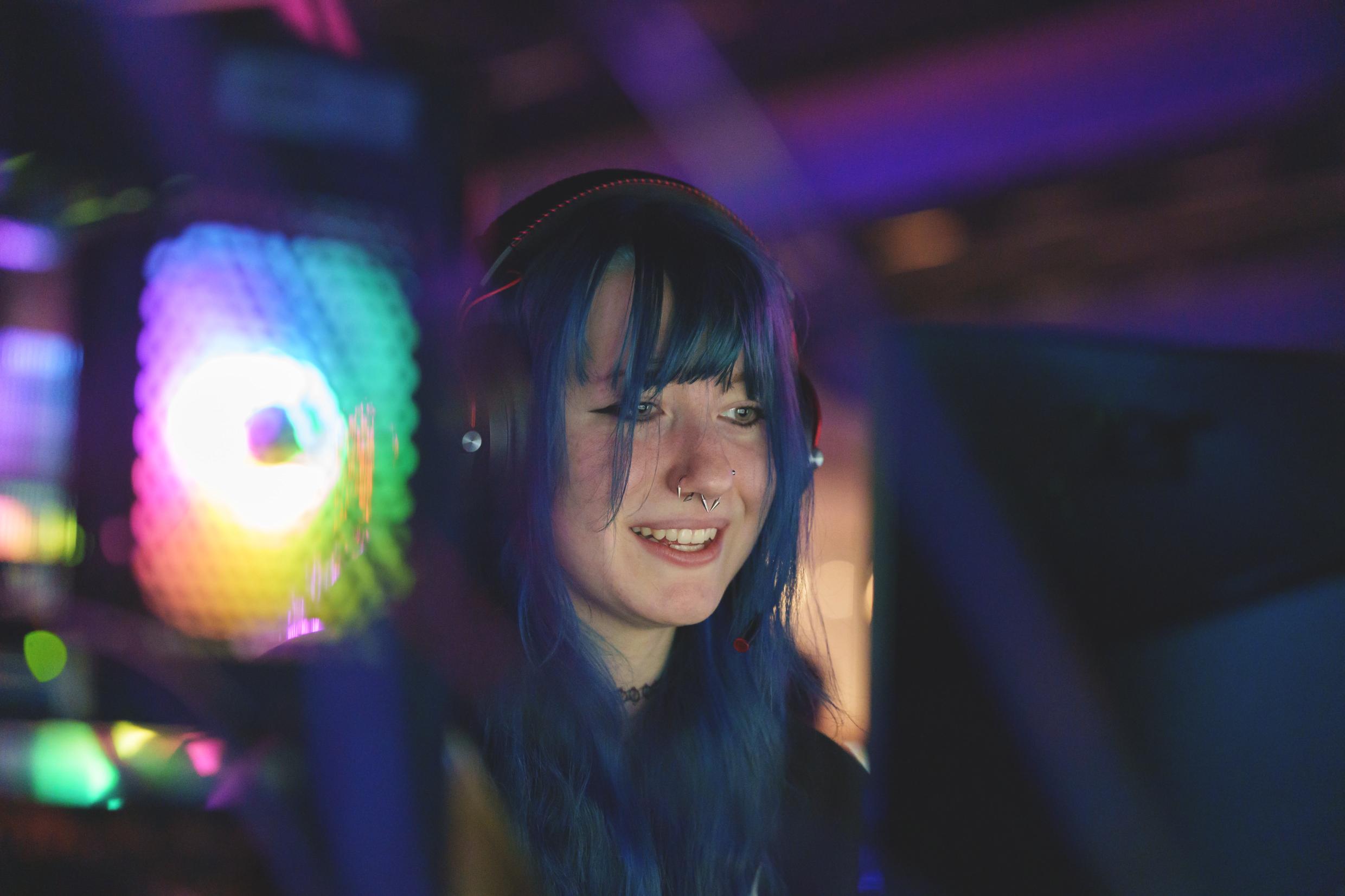
Gaming festival DreamHack draws big crowds around the world. Photo: Elliot Elliot/imagebank.sweden.se
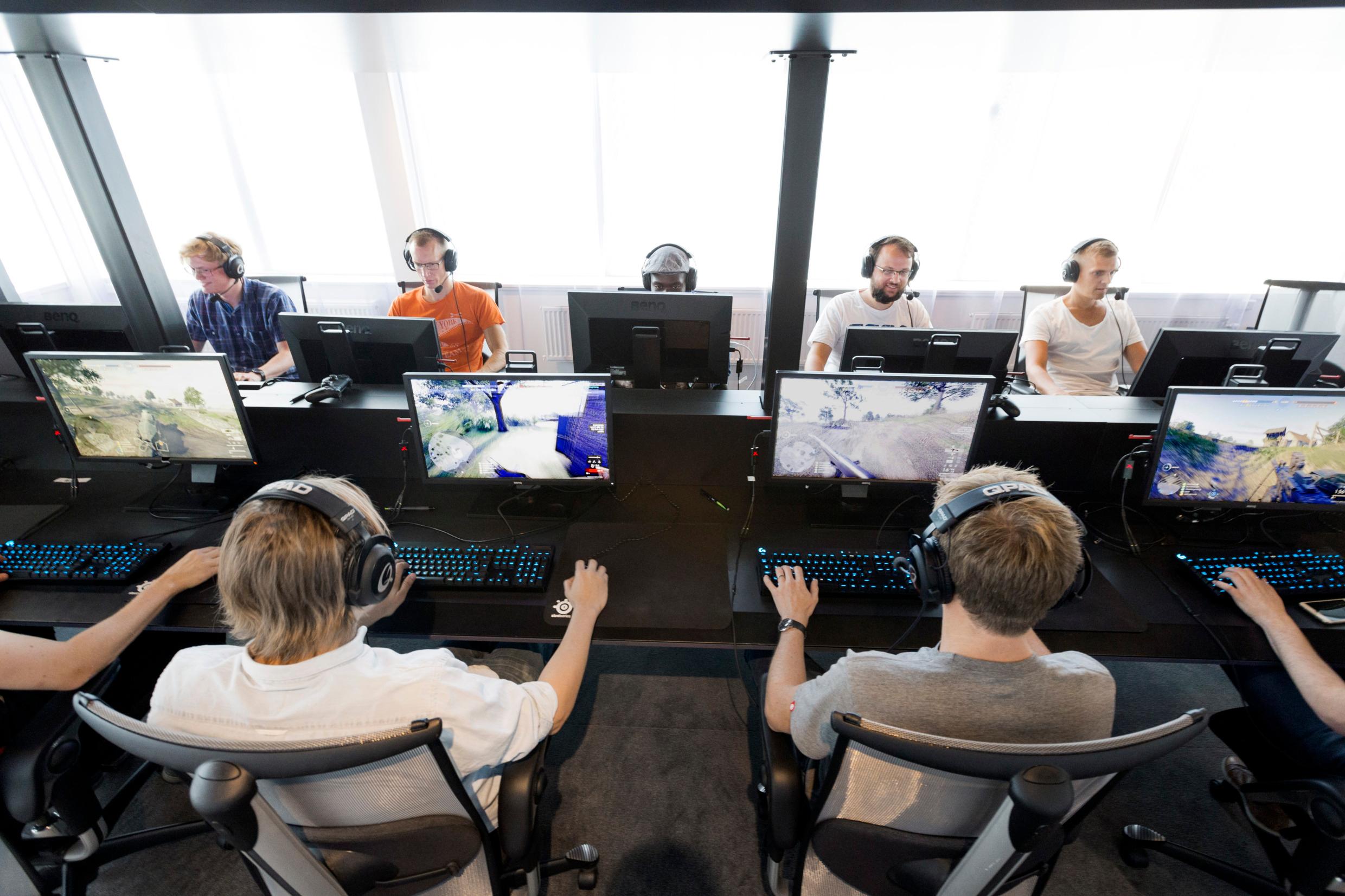
This is DICE's headquarters in Stockholm. Photo: Melker Dahlstrand/imagebank.sweden.se
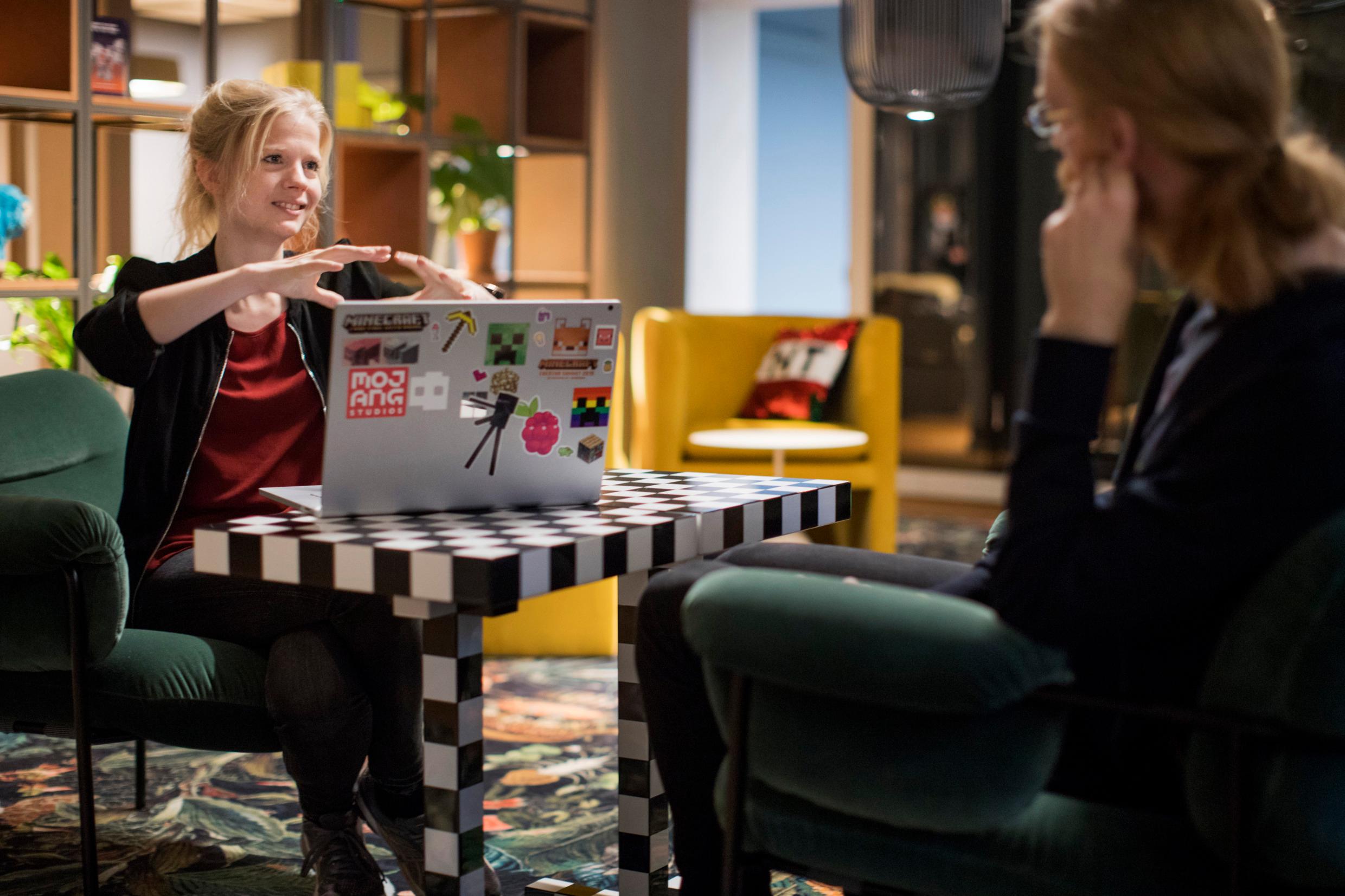
The Minecraft creators of Mojang Studios are based in Stockholm. Photo: Melker Dahlstrand/imagebank.sweden.se
Candy Crush Saga was developed by Swedish company King, who launched it as an app back in 2012. Photo: King
The DreamHack festival has gathered record crowds over the years. Since 2020 the organisation has been merged with ESL, the world’s largest esports company. Photo: Rodrigo Rivas Ruiz/imagebank.sweden.se
Gaming festival DreamHack draws big crowds around the world. Photo: Elliot Elliot/imagebank.sweden.se
This is DICE's headquarters in Stockholm. Photo: Melker Dahlstrand/imagebank.sweden.se
The Minecraft creators of Mojang Studios are based in Stockholm. Photo: Melker Dahlstrand/imagebank.sweden.se
Candy Crush Saga was developed by Swedish company King, who launched it as an app back in 2012. Photo: King
The DreamHack festival has gathered record crowds over the years. Since 2020 the organisation has been merged with ESL, the world’s largest esports company. Photo: Rodrigo Rivas Ruiz/imagebank.sweden.se
Gaming festival DreamHack draws big crowds around the world. Photo: Elliot Elliot/imagebank.sweden.se
This is DICE's headquarters in Stockholm. Photo: Melker Dahlstrand/imagebank.sweden.se
The Minecraft creators of Mojang Studios are based in Stockholm. Photo: Melker Dahlstrand/imagebank.sweden.se
10 biggest Swedish-registered gaming companies, by revenue (2024/25)
- King
- Mojang
- Paradox Interactive
- Embracer Group
- EA DICE
- Exertis Ztorm
- Toca Boca
- Avalanche Studios Group
- G5 Entertainment
- Sharkmob
Source: Swedish Game Developer Index
3. Candy Crush Saga – the engaging sweets game
Matching three or more pieces of candy to make them disappear may sound like a very simple concept, but those who have played Candy Crush Saga will attest to how engaging the mobile game is.
Fun trivia: It’s been estimated that players altogether swipe the equivalent distance of three and a half times around the globe on their phones every day.
Not that many people know that Candy Crush Saga was developed by Swedish company King, who launched it on App Store back in 2012.
Sebastian Knutsson, co-founder of King, has said he was in the bathtub when he came up with the idea to use candies in the game. As chief creative officer, Knutsson had been challenged by fellow co-founder Riccardo Zacconi to come up with ‘the best match-three game ever’.
‘The art team really got into it, and we found that we could make candies look amazing. It somehow resonated with the audience,’ Knutsson says on Apple.com.
And it sure seems like sweets helped level up gaming in Sweden.
In 2016, King was acquired by Activision Blizzard, which in turn was acquired by Microsoft in 2023. King’s original headquarters is in Stockholm, but today they are also headquartered in London. There are game studios in Barcelona, Berlin, Malmö, London and Stockholm, and offices in Dublin, Malta, New York and San Francisco.
Fun fact: the world's largest gaming party
In 2013, DreamHack made it into the Guinness Book World of Records as the host of the world’s largest LAN party.
4. DreamHack
World-leading gaming festival DreamHack is known to bring together thousands of gamers at once, at venues on both sides of the Atlantic.
But DreamHack actually began as small-scale as it gets.
In the early 1990s, a couple of schoolmates and friends in the little village of Malung, at the heart of Swedish province Dalarna, decided to camp together in the basement of a primary school to trade discs and exchange knowledge in programming and graphics.
In 1994, the initiators made it a public event and the gathering was moved into the school cafeteria. This was the very first event to be called DreamHack. DreamHack eventually established itself as Scandinavia’s biggest LAN party before it took off internationally. It is today part of games and esports company ESL FACEIT Group.
Quick facts about the Swedish video game industry
- EUR 3 billion+ in Swedish revenue comes from the games industry.
- 9,000+ people work in...
- 1,000+ game companies in Sweden.
- 7 billion downloads of Swedish-made games have been recorded worldwide to date.
5. The winning recipe?
Here are some keys to the success of the Swedish games industry:
- Sweden's generally high computer literacy. One contributing factor was a government and union initiative back in 1998, that allowed employees to affordably lease personal computers with an option to buy.
- Internet access. Connectivity got an early start in Sweden, with ambitious government goals for broadband access across the country.
- Strong education and collaboration between studios and schools. The result is a steady stream of developers who are technically strong, internationally experienced and quick to adapt to new markets.
In 2024, the total revenue for Swedish companies amounted to around EUR 3.4 billion, according to the Swedish Game Developer Index.
Wanted: global talent
The Swedish games industry is multinational. According to the Swedish Games Industry (Dataspelsbranschen) – Sweden’s trade association for video game companies – there are more employees in Swedish game companies outside of Sweden than in the country.
So... Sweden is looking to attract global talent. Is it you?