





Swedish fashion
If you’re into pre-loved and slow fashion, you already know how to dress like a Swede. Swedish fashion is in it for the long term.
What is Swedish fashion?
Known globally for functionality and minimalist design, circular is the new black in Swedish fashion.
Production increasingly goes from linear to circular, where we don't discard materials after use but instead recycle or use them in other ways so that we keep waste to a minimum. Making clothes that last longer is another approach.
What’s the secret behind Sweden’s sustainable fashion?
Swedish fashion brands have long explored more sustainable paths, with recycled materials, in-shop repairs and transparent production being some examples. Because it makes sense for both the planet and business.
Let’s look at one of many influential Swedish brands: Acne Studios. They aim to make clothes that last, through low-impact production and with a transparent supply chain. To reduce waste, they are – among other things – working together with their denim and jersey suppliers to recycle material waste from the cutting room floor.

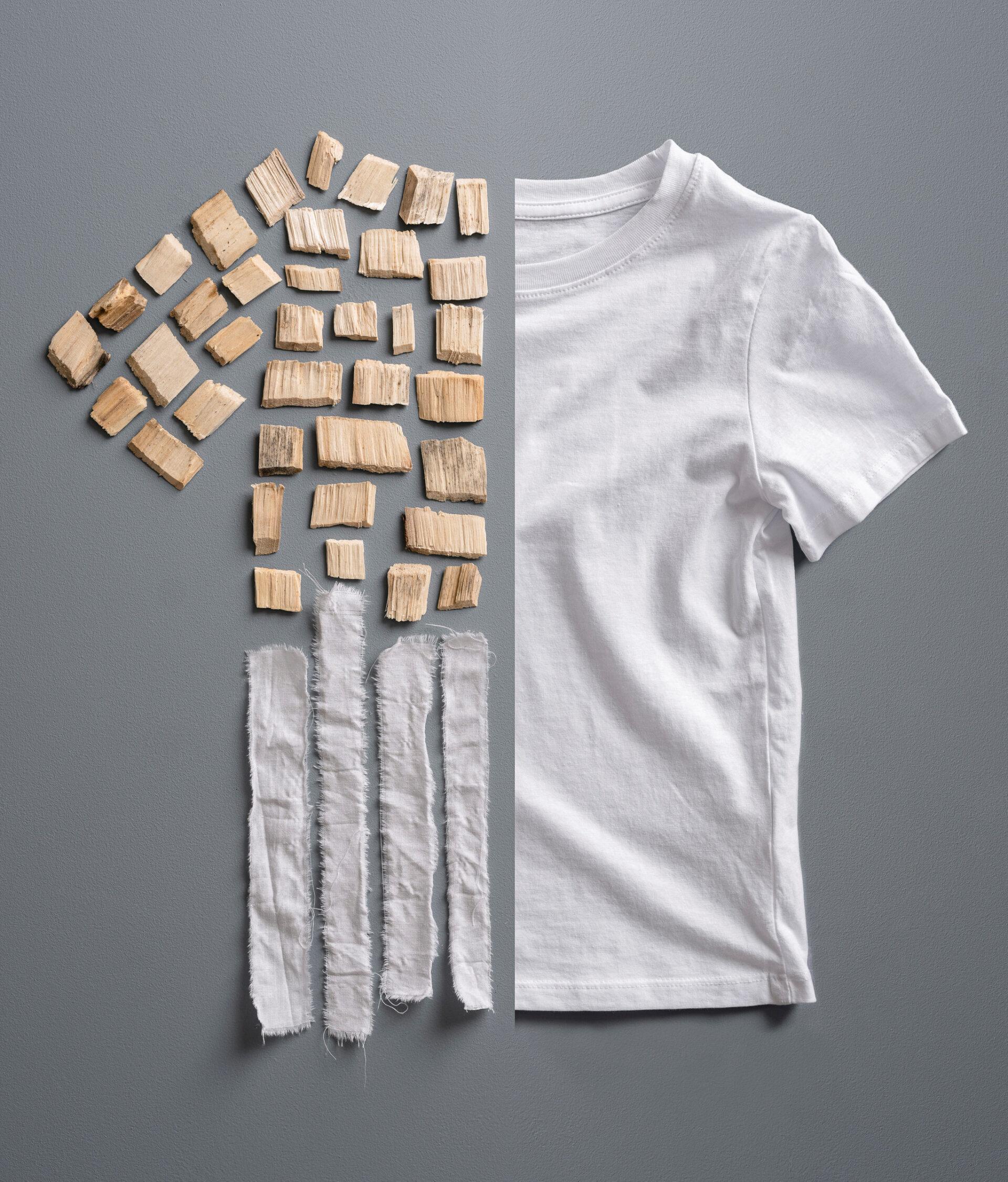
Swedish fashion brand Filippa K joins forces with forest industry group Södra to try out a new wood-based material. Photo: Studio Ny


Bad weather means good business for rainwear brand Stutterheim. Photo: Alexander Hall/imagebank.sweden.se


Slow fashion campaign at a Stockholm metro station by Swedish brand Asket. Photo: Fredrik Bengtsson/Asket
Swedish fashion brand Filippa K joins forces with forest industry group Södra to try out a new wood-based material. Photo: Studio Ny
Bad weather means good business for rainwear brand Stutterheim. Photo: Alexander Hall/imagebank.sweden.se
Slow fashion campaign at a Stockholm metro station by Swedish brand Asket. Photo: Fredrik Bengtsson/Asket
Swedish fashion brand Filippa K joins forces with forest industry group Södra to try out a new wood-based material. Photo: Studio Ny
Bad weather means good business for rainwear brand Stutterheim. Photo: Alexander Hall/imagebank.sweden.se
Slow fashion campaign at a Stockholm metro station by Swedish brand Asket. Photo: Fredrik Bengtsson/Asket
Swedish brands going circular
One of the sustainability pioneers in Swedish fashion is Filippa K. Since the founding of the brand in 1993, they have been promoting ‘mindful consumption’, with a primary focus on making garments last. To keep moving forward, they team up with others. Through a collaboration with forest industry group Södra, Filippa K launched a collection made from the wood-based material OnceMore®. And their Circulose® garments are made with a raw material from 100 per cent recycled cotton textiles
Houdini Sportswear have managed to turn more than half of their products circular – by prolonging the life of garments, as well as by offering repairs, rentals and second-hand sales. Houdini has also conducted an experiment in which their fully organic base layers were composted into food soil.




Slow fashion the Swedish way
Ever heard of the Swedish saying 'There is no bad weather, only bad clothing'? A good starting point for a Swedish rainwear brand, right? Stutterheim are in the business of slow fashion, making durable, high-end raincoats with timeless design.
Another example is Asket. Beyond trends and seasons, this brand has one permanent collection of wardrobe staples that they add to over time. Traceable origins of each garment and repair services are also part of Asket's take on slow fashion.
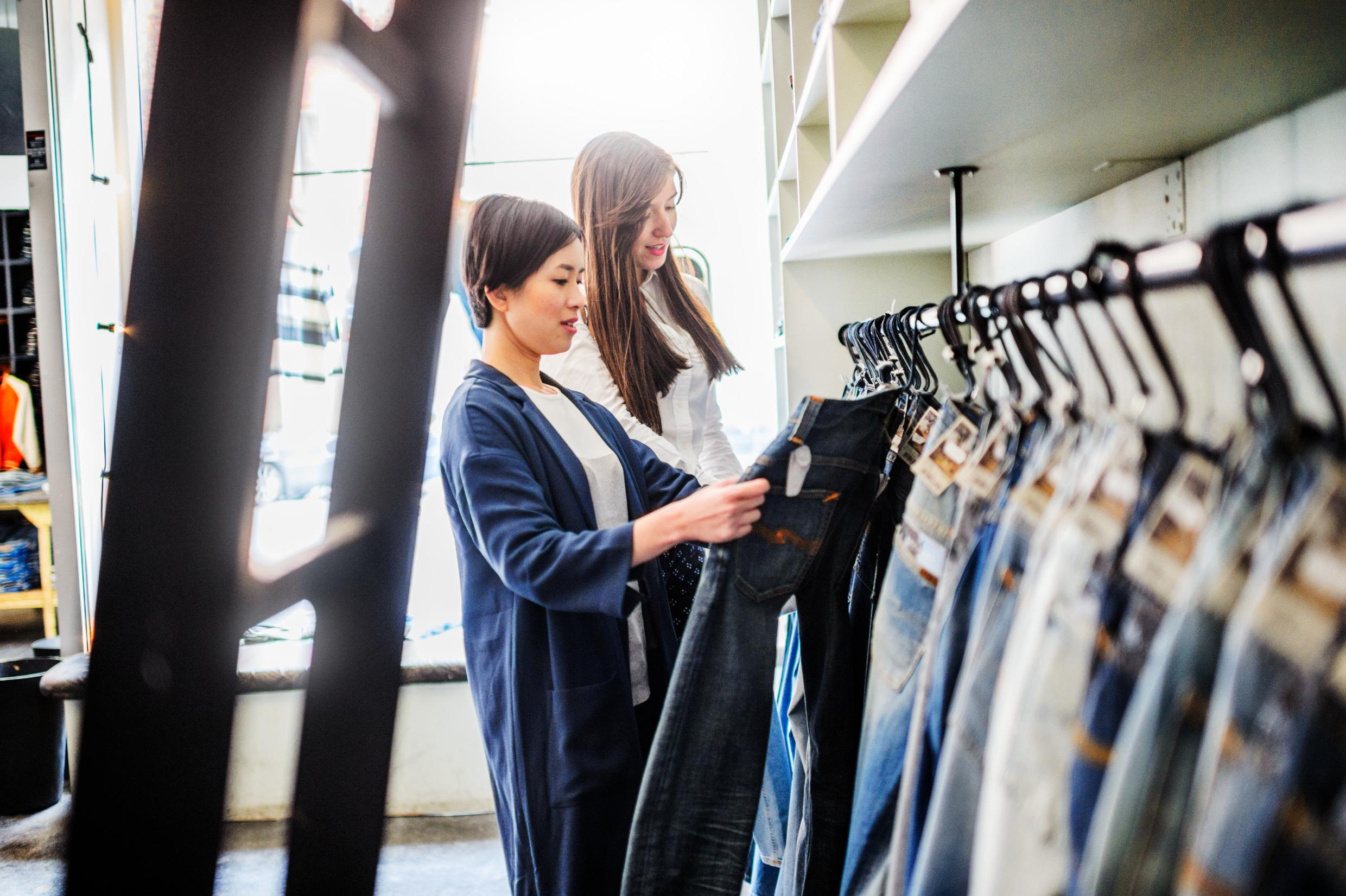
Many Swedish brands believe that making garments that last is one of the keys. Photo: Simon Paulin/imagebank.sweden.se

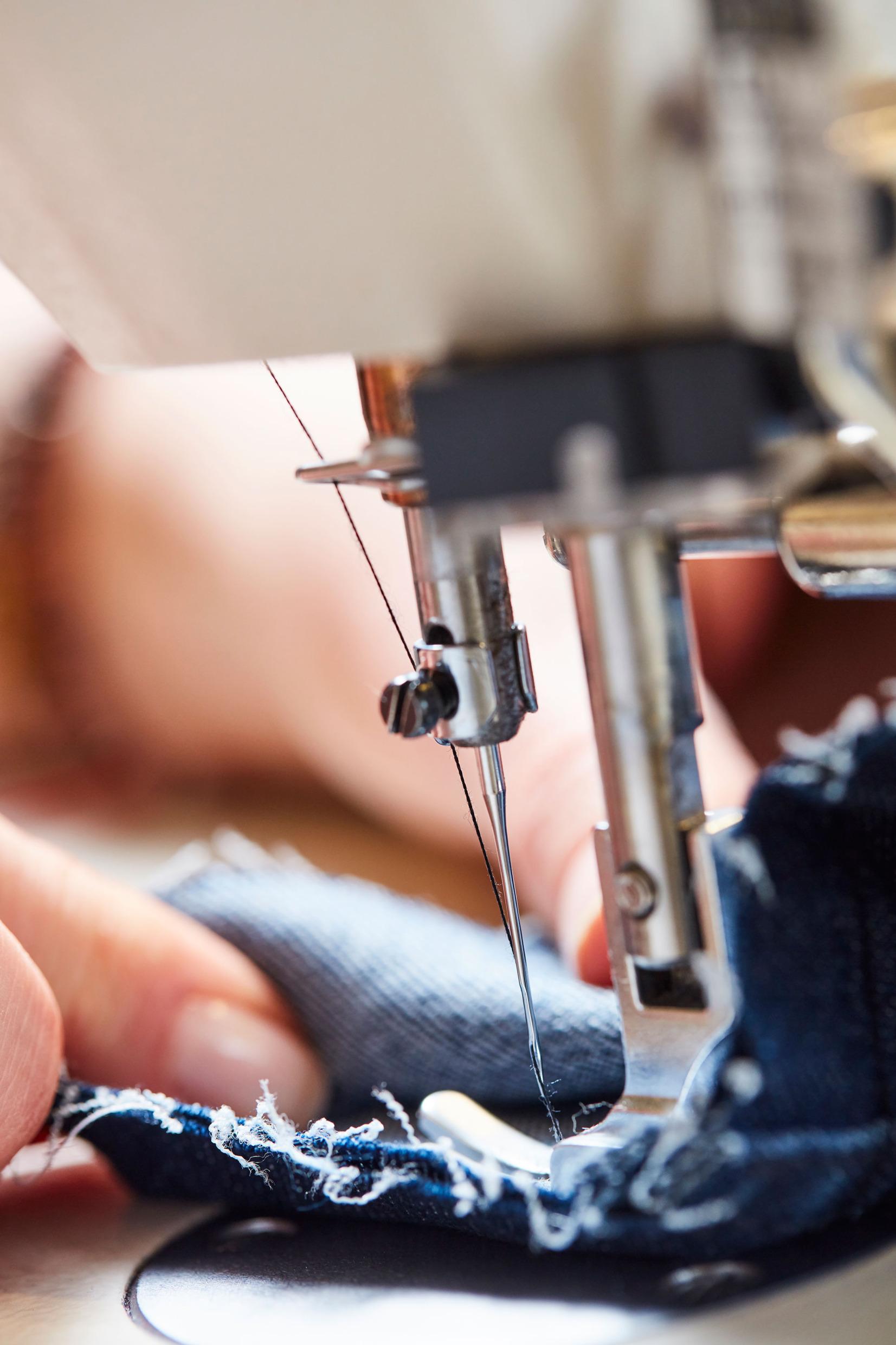
Repairs prolong the life of garments. Photo: Lindex/imagebank.sweden.se

Mending clothes is one of the circular ways forward for fashion. Photo: Marie Ullnert/imagebank.sweden.se
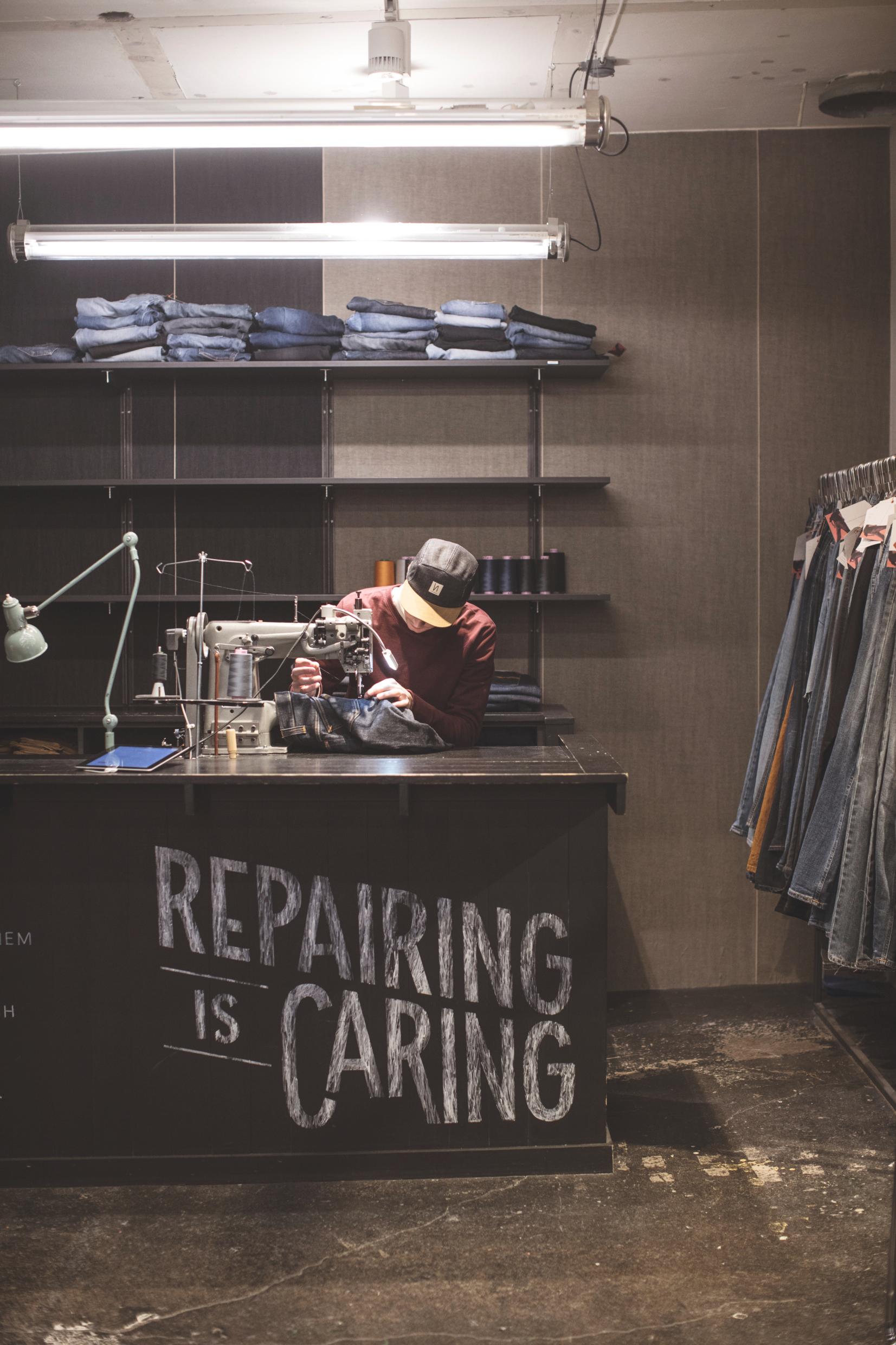
Nudie Jeans have several repair shops, where people can take their worn jeans. Photo: Tina Stafrén/imagebank.sweden.se
Many Swedish brands believe that making garments that last is one of the keys. Photo: Simon Paulin/imagebank.sweden.se
Repairs prolong the life of garments. Photo: Lindex/imagebank.sweden.se
Mending clothes is one of the circular ways forward for fashion. Photo: Marie Ullnert/imagebank.sweden.se
Nudie Jeans have several repair shops, where people can take their worn jeans. Photo: Tina Stafrén/imagebank.sweden.se
Many Swedish brands believe that making garments that last is one of the keys. Photo: Simon Paulin/imagebank.sweden.se
Repairs prolong the life of garments. Photo: Lindex/imagebank.sweden.se
Mending clothes is one of the circular ways forward for fashion. Photo: Marie Ullnert/imagebank.sweden.se
Nudie Jeans have several repair shops, where people can take their worn jeans. Photo: Tina Stafrén/imagebank.sweden.se
Repairing is caring
Gothenburg-based Nudie Jeans repairs people's old Nudie jeans so that their customers don’t have to buy new ones, challenging the idea that fashion is defined in relation to what is new and in style. They are committed to a strict code of conduct, which in this case means that they work with a selected group of suppliers, who must supply Nudie Jeans with reports, action plans and certifications.
Repamera (link in Swedish) is an online shop for tailoring services, where customers can have their clothes mended instead of buying new ones. You just post whatever needs mening and get it back within ten days.


Swedish fashion tech – made to order
Technology has an important role to play in the green transformation of Swedish fashion. One example is Atacac, a fashion tech company based in Gothenburg that makes clothing digitally. Customers can try garments in a virtual fitting room and the clothes are then made to order. That way, over-production is avoided.
The company's vision is to reinvent fashion by combining new technology with art and traditional craftsmanship.
The Swedish Fashion Council
The Swedish Fashion Council supports the development of the Swedish fashion industry towards more sustainability in all areas – social as well as environmental.
Can sustainable fashion in Sweden inspire the world?
Textile & Fashion 2030 is a Swedish government-supported initiative that aims to test and study different techniques of sustainable fashion. The purpose is to figure out how lessons from small-scale sustainability advancements in Sweden can be rolled out on the world stage.
The initiative is led by the University of Borås in collaboration with organisations that include the Swedish School of Textiles, Smart Textiles, Science Park Borås (link in Swedish), Research Institute of Sweden (RISE) and others.