




Higher education
University studies in Sweden come with critical thinking, freedom and responsibility.
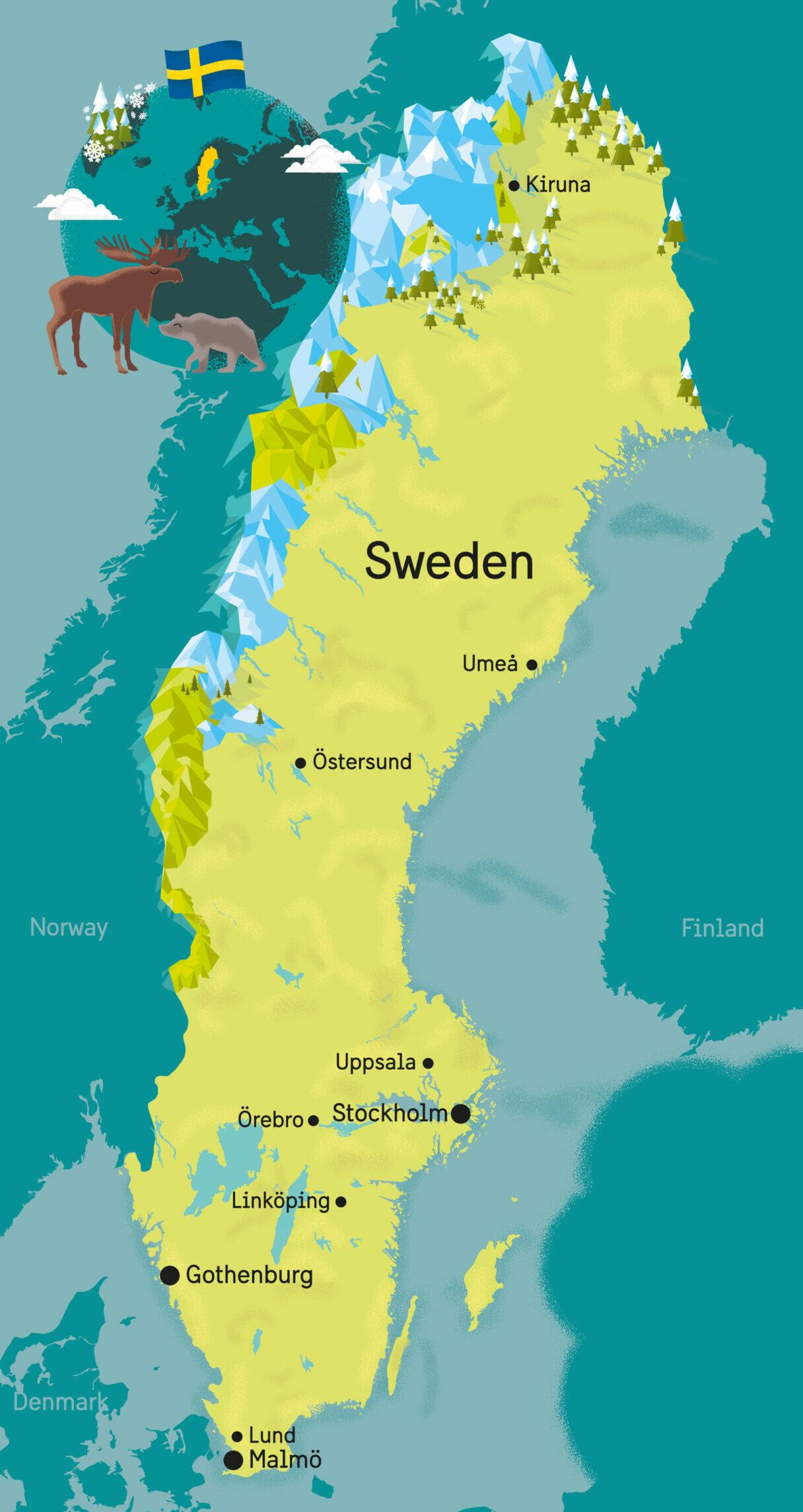
Swedish higher education comprises around 50 universities and university colleges, a majority of them offering courses and programmes in English.
Most universities are state-run, but some are independent institutions of higher education, like Chalmers University of Technology in Gothenburg, Jönköping University and Stockholm School of Economics. Among the oldest universities are Lund and Uppsala.
More on studying in Sweden
Are you looking for first-hand information from Swedish universities? Then we suggest you register for the Study in Sweden newsletter.
Freedom with responsibility
What sets Swedish higher education apart is the teaching model. Based on the motto ‘freedom with responsibility’, a large part of the learning process takes place outside of the classroom, with students mainly pursuing their studies on their own or in groups.
Group work is often key. It encourages students to learn from others and solve complex issues as a team. Working together in diverse teams allows students to develop decision-making, time management, and interpersonal skills.
Students in Sweden are expected to take full responsibility for their own learning. To figure things out for themselves. To look beyond their textbooks for answers.
The teaching style at Swedish universities and university colleges also promotes critical thinking. Students are expected to question what they learn. Or to question beliefs that are often taken for granted. Debating not only with peers but also lecturers is accepted and welcomed.


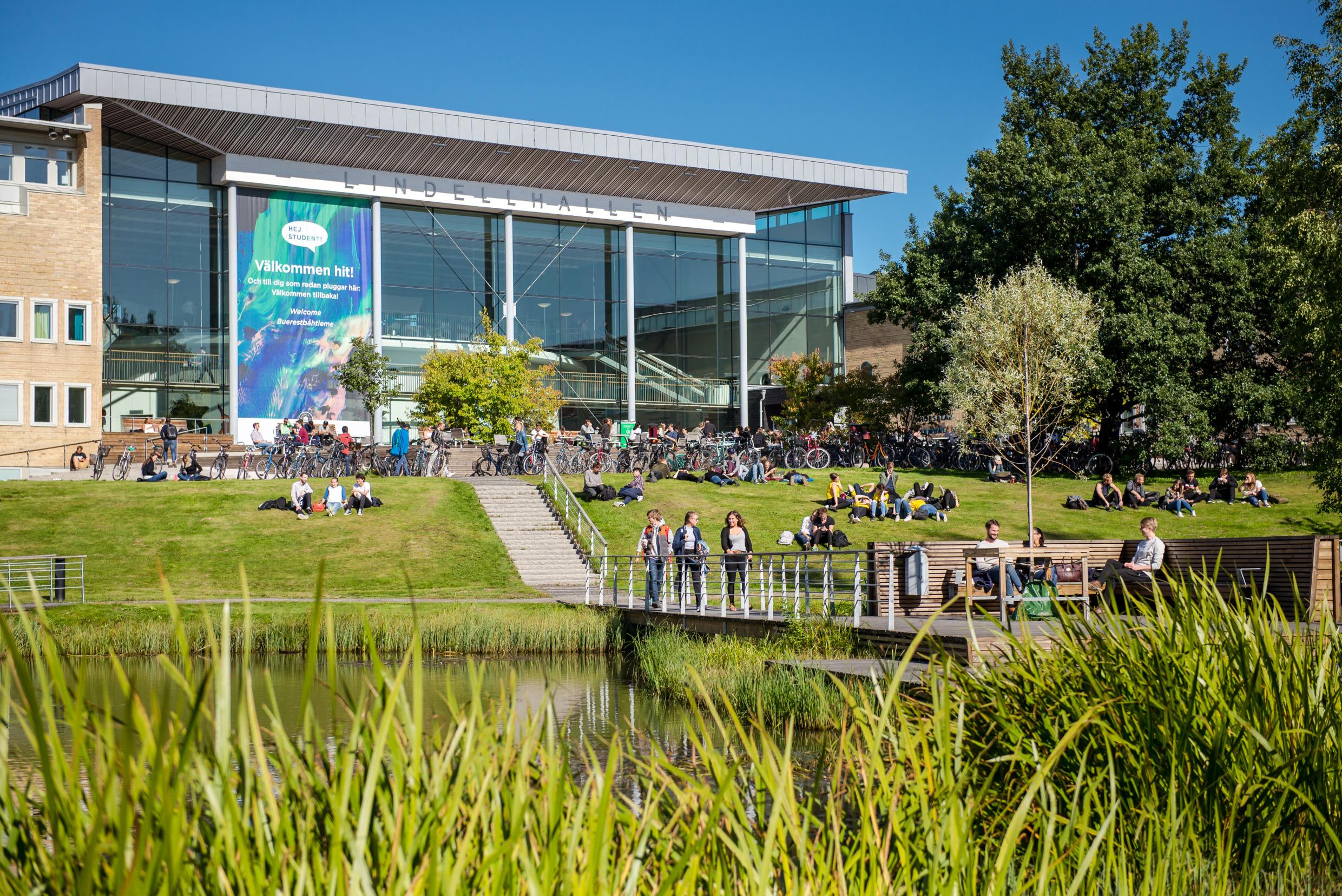
Umeå University campus. Photo: Jonatan Stålhös/imagebank.sweden.se


As a student in Sweden you're expected to learn a lot outside of the classroom. Photo: Emelie Asplund/imagebank.sweden.se

Lindholmen Science Park in Gothenburg. Photo: Sofia Sabel/imagebank.sweden.se

Umeå Institute of Design is ranked as one of the top industrial design education institutions in the world. Photo: Jonatan Stålhös/imagebank.sweden.se

Group discussions and teamwork are encouraged at Swedish universities. Here, Uppsala University. Photo: Magnus Liam Karlsson/imagebank.sweden.se
Umeå University campus. Photo: Jonatan Stålhös/imagebank.sweden.se
As a student in Sweden you're expected to learn a lot outside of the classroom. Photo: Emelie Asplund/imagebank.sweden.se
Lindholmen Science Park in Gothenburg. Photo: Sofia Sabel/imagebank.sweden.se
Umeå Institute of Design is ranked as one of the top industrial design education institutions in the world. Photo: Jonatan Stålhös/imagebank.sweden.se
Group discussions and teamwork are encouraged at Swedish universities. Here, Uppsala University. Photo: Magnus Liam Karlsson/imagebank.sweden.se
Umeå University campus. Photo: Jonatan Stålhös/imagebank.sweden.se
As a student in Sweden you're expected to learn a lot outside of the classroom. Photo: Emelie Asplund/imagebank.sweden.se
Lindholmen Science Park in Gothenburg. Photo: Sofia Sabel/imagebank.sweden.se
Umeå Institute of Design is ranked as one of the top industrial design education institutions in the world. Photo: Jonatan Stålhös/imagebank.sweden.se
Group discussions and teamwork are encouraged at Swedish universities. Here, Uppsala University. Photo: Magnus Liam Karlsson/imagebank.sweden.se
International student blog at Study in Sweden:
Hi! 👋 In this blog you can read about our experiences as international students in Sweden!
Equality in focus
Sweden is recognised as one of the most equal countries in the world, and equal access is a core component of the higher education system. Students of all backgrounds are welcome, regardless of gender, religion, home country or socioeconomic background. There is no upper age limit at Swedish universities or universities colleges, resulting in a lifelong opportunity for higher education.
Swedish society in general is informal and non-hierarchical, and students speak to and are treated by lecturers as equals. Everyone is on a first-name basis – no titles required.

So there are courses taught in English?
Yes. In addition to courses and programmes taught in Swedish, Sweden offers over 1,000 degree programmes in English.
It’s worth adding that Sweden regularly ranks as one of the top countries in the world for non-native speakers of English, so it’s quite easy for students to get around without Swedish.
English is widely used both in academic and professional contexts – STEM fields (science, technology, engineering, mathematics) not the least.
Having said that, learning a bit of Swedish will help students get a deeper understanding of the country – and it might add some fun.
Entry requirements and tuition costs
Entry requirements at universities in Sweden vary, but all universities demand that students have successfully completed their upper secondary (high school) education, regardless of nationality. You can read more about requirements at different levels on universityadmissions.se.
Higher education in Sweden is financed largely by tax revenue, with tuition fees fully subsidised for students from Sweden, the EU/EEA area and Switzerland.
Students from outside the EU/EEA and Switzerland pay tuition fees, which vary depending on the programme and the university. The average tuition fee today is about SEK 129,000 per academic year.





Scholarship programmes
To enable students who can’t pay tuition fees to study in Sweden, there are scholarship programmes available.
The Swedish Institute has a scholarship programme aimed at highly qualified students from certain countries who are applying for master's studies. The scholarship is designed to cover living costs, tuition fees and insurance. It also includes a travel grant.
Also, the majority of Sweden's universities offer scholarships. Students then apply directly to the individual university.
Career opportunities in Sweden
Are you looking for updates on career opportunities and working life in Sweden? Then register for the Work in Sweden newsletter.
Getting a PhD is a paid job
Yes, you read correctly – getting a PhD in Sweden involves no tuition fees or scholarships, regardless of where you are from. It’s a paid position with a monthly salary and employment benefits.
But make note: PhD positions are highly competitive in Sweden too.
You apply directly to the university offering the position, as there is no centralised application process for PhDs. Requirements, deadlines and selection criteria are decided by the relevant department at the university.
In general, you’ll need a master’s degree in a relevant field and a strong command of English. Depending on the subject, you may also need to be fluent in Swedish.
You can find current PhD vacancies via studyinsweden.se.
Career opportunities
Swedish universities support students not only during their studies, but also as they prepare to enter the labour market.
Most institutions offer career services that provide practical guidance on how to search and apply for jobs in Sweden and internationally. This support may include individual career counselling, CV and cover letter feedback, interview training and seminars on job-search strategies.
Many universities also run online career portals where students and recent graduates can find job listings, internships and thesis collaborations with companies. Alumni networks and mentoring programmes can further help graduates expand their professional connections.
Labour market demand in Sweden is largely driven by the green and digital transition. The country has a strong need for talent in areas such as energy, battery production, advanced manufacturing, life science, transport, new materials and DigiTech. Expertise in electrification, sustainability and IT is particularly sought after across industries.