



All Saints’ Day in Sweden
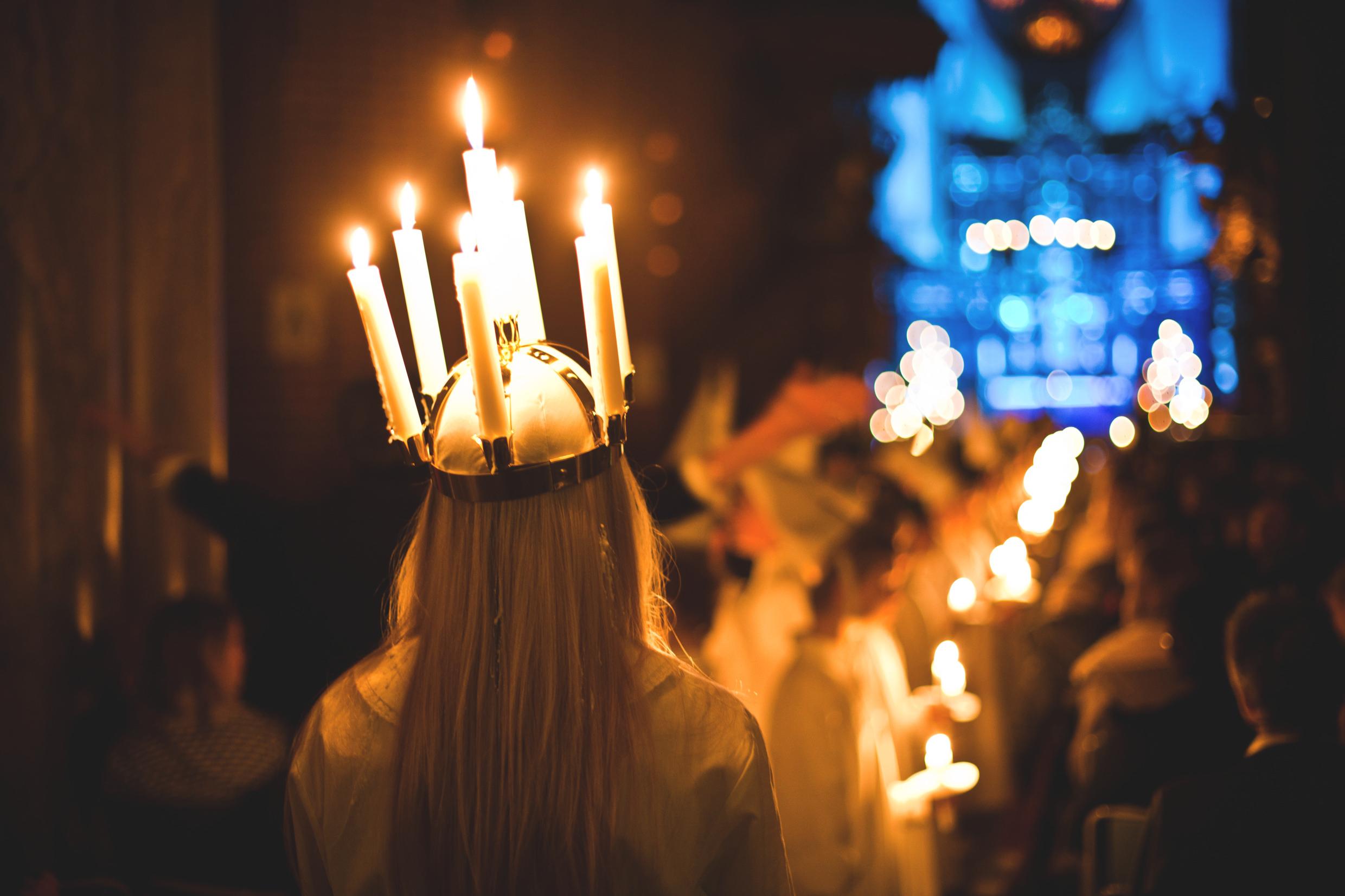
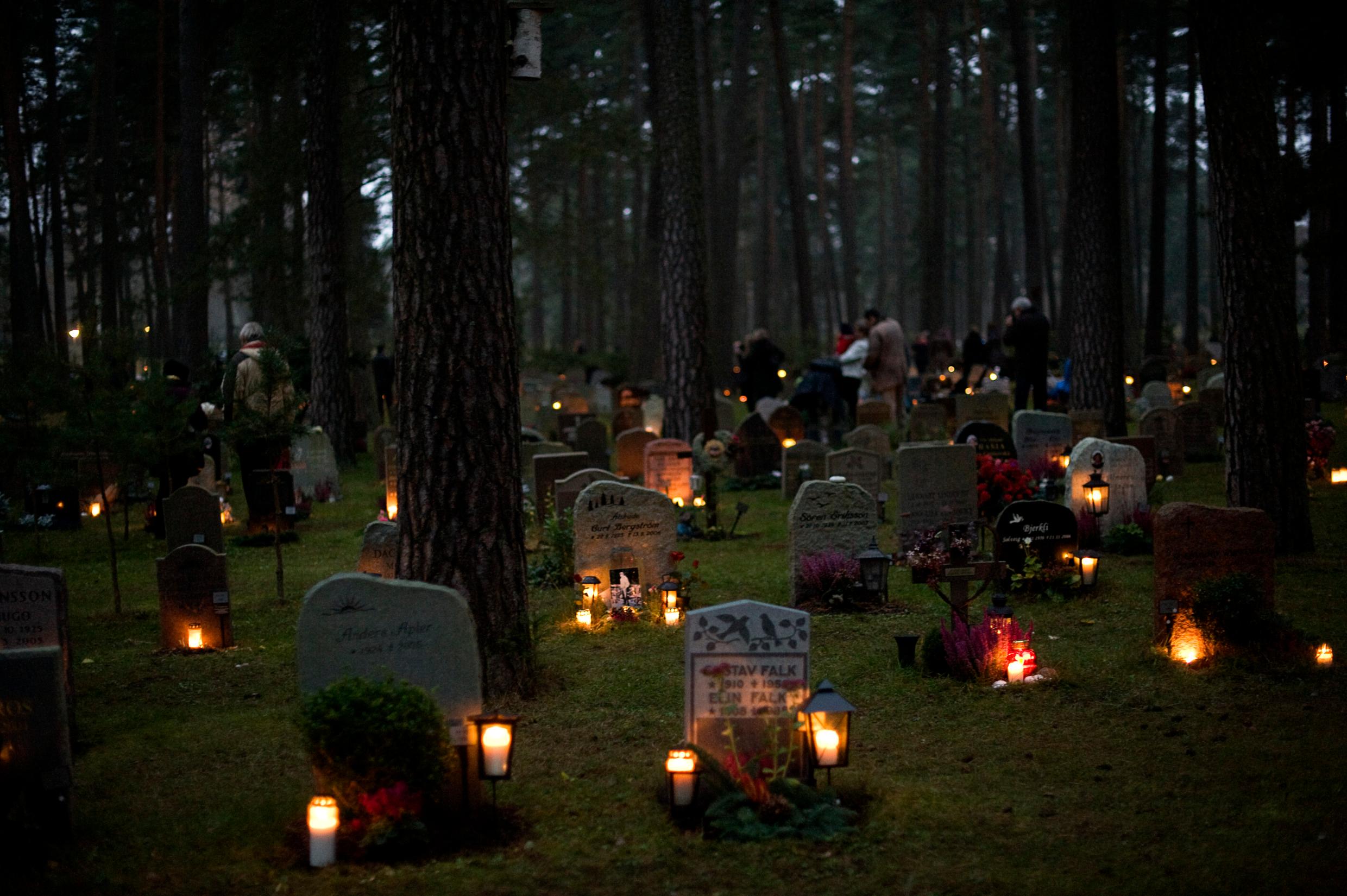
On All Saints’ Day cemeteries are aglow, as people light candles for lost loved ones.
A Swedish public holiday
On the Saturday between 31 October and 6 November, people in Sweden observe All Saints' Day.
To many, this public holiday is a day to visit a cemetery, light candles and lay flowers on a grave or by a memorial grove. Many churches across the country organise concerts to celebrate All Saints’ Day.
Others spend the day with family or friends, gathering for a meal at home.

The history of All Saints' Day in Sweden
In the year 731 AD, 1 November was designated a day of remembrance for saints of the church who had no days of their own.
From the 11th century, 2 November was dedicated to all the dead, of whatever standing, and was called All Souls’ Day. Many people observed this day with requiems and bell-ringing, but these customs were abolished with the arrival of the Reformation.
In 1772, All Saints’ Day in Sweden was moved to the first Sunday in November, and in 1953 to the Saturday between 31 October and 6 November.
During the 1900s, people in Sweden began putting lighted candles on the graves of the departed on All Saints’ Day. This custom originated with wealthy families in towns and cities, but spread throughout the country after World War II. Churches also began holding services of light to mark the day.
All Saints’ Day and All Souls’ Day
Still today, the Swedish Church (link in Swedish) formally distinguishes between All Saints' Day as a day dedicated to the saints – among them, Italy’s Franciskus and Sweden’s own Saint Bridget – and All Souls' Day, which falls on the Sunday as a day for remembering deceased loved ones.
In practice, however, these traditions largely overlap.