





Step 8: Settling in Sweden
7 practical things to know and arrange as you prepare for life in Sweden
This guide covers things that can help you plan your move and settle in once you arrive – from healthcare and practical matters in your home to arranging childcare and getting around.
1. Learn some Swedish
Swedes are known to speak English well, but learning some Swedish will make you interactions and settling in easier – and more fun.
If your new employer offers Swedish language courses, make sure to take advantage of them. There are also tax-funded language programmes in all municipalities and language activities organised by international houses in several cities. You can even start with a few basic phrases before you move.
Read more in this guide to learning Swedish.
Important healthcare contacts
- Call 1177 for medical advice. A nurse can advise you on symptoms, care at home and where to seek further help. Visit 1177.se online for reliable information about healthcare.
- Call 112 in urgent or life-threatening situations when you need immediate assistance from ambulance, police or fire services.
2. Find your local health centre
Most non-emergency care in Sweden starts at a local health centre, vårdcentral. This is where you book appointments, receive medical advice and, when needed, get referrals to specialist care.
1177.se is Sweden’s national service for healthcare information and guidance. There you can find health centres in your area and choose where to register.
Once you have a personal identity number, you can usually choose and register with a health centre through 1177.se. Registration is free of charge. If you do not yet have a personal identity number, healthcare is still available, although access to some digital services may be limited.










Estimate your cost of living
Use this calculator to estimate your monthly living costs and get a clearer picture of everyday expenses in Sweden.
3. Set up your home
To get life at home up and running, make sure you arrange the following:
If you rent your home, your contract may already include electricity. If it does not, your landlord or housing association can tell you what you need to arrange yourself.
Sweden is a highly connected country. Broadband is available in most homes, and in many apartments it is already included in the rent or available through the building. If you need to set up your own connection, your landlord or housing association can tell you which providers operate in your area.
Make sure your name is on your mailbox and/or door so that postal services can deliver letters and parcels correctly. Postal services in Sweden use the name to identify the recipient.
Make sure you cover your belongings and liability. This applies whether you own your home or rent, including second-hand rentals.
Stay updated on job opportunities in Sweden
Follow Work in Sweden on LinkedIn
Subscribe to the Work in Sweden newsletter
4. Childcare and school
If you are moving with children, you can start preparing for childcare and school as soon as you know which municipality you will live in. Municipalities manage applications and placements. You can read more about how to arrange childcare and schools in this guide.
5. Driving licences and getting around
If you plan to drive in Sweden, start by checking whether your current licence is valid in Sweden. You can use an EU or EEA driving licence in Sweden without having to exchange it for a Swedish one. If your licence was issued outside the EU/EEA, you can usually use it for up to one year after moving to Sweden. After that, you need a Swedish licence.
The Swedish Transport Agency (Transportstyrelsen) explains how the rules apply and what you need to know if you need to take the theory test and driving test in Sweden.
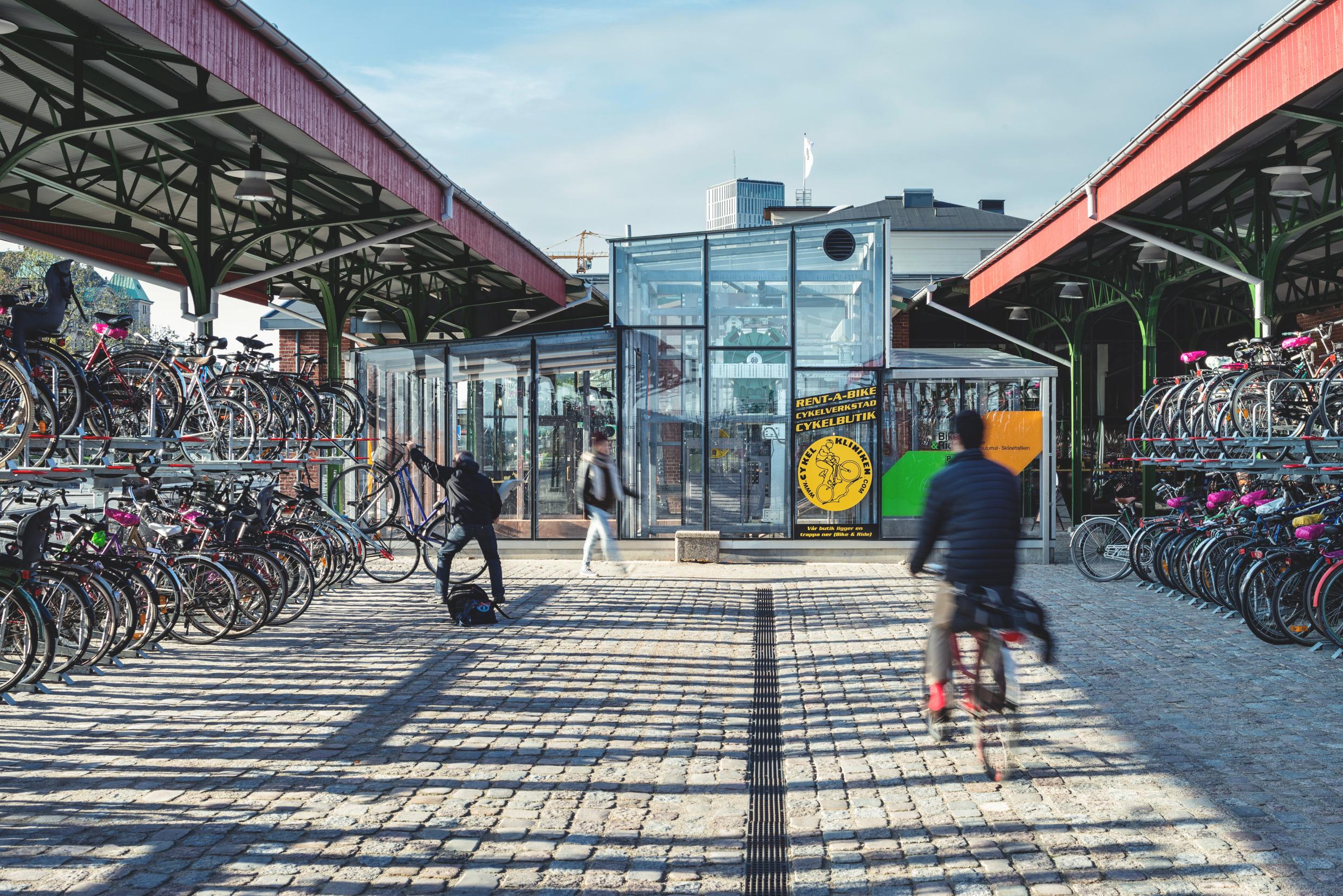
Many Swedes rely on public transport, cycling or walking to get around. Public transport networks are well developed and operate throughout the year, including during winter. In fact, around one in three people in Sweden can cycle to work in 15 minutes or less.

6. Navigating public services
There may be times when you need help understanding a process, completing an application, filing your tax return or simply knowing where to start. State service centres can provide personal guidance on key public services and help guide you no matter which authority your question relates to.
State service centres are located across Sweden. You can find your nearest office here.
7. Find local support and information
If you already know where you will live, your municipality's website is a good place to find useful information. Information in English is often available about local services, childcare, schools, activities and life in the community.
Find local and regional resources that provide practical information and support for newcomers across Sweden.